
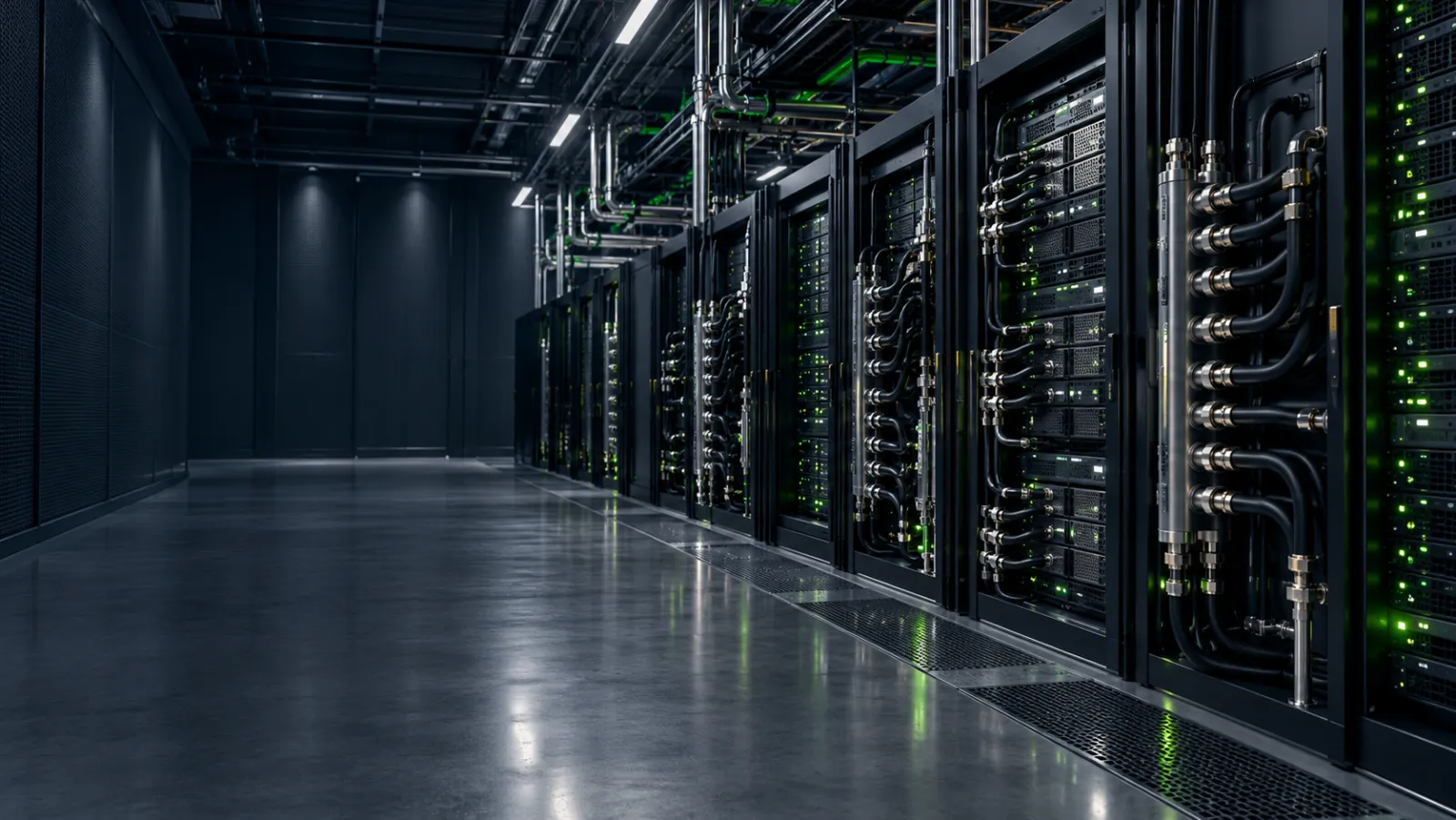
Powering the next generation of AI with energy intelligence.
Vertical AI, high-density compute and power infrastructure in one operating platform — built on Tellus Power's foundation in bi-directional energy, V2G, storage and energy management.
AI Infrastructure
Built on Tellus Power
Tellus Power's charging and energy businesses provide the technology foundation. Tellus Powered AI is a distinct platform focused on models, compute services and AIDC development.
Units deployed across four continents
Countries & regions
Years in business
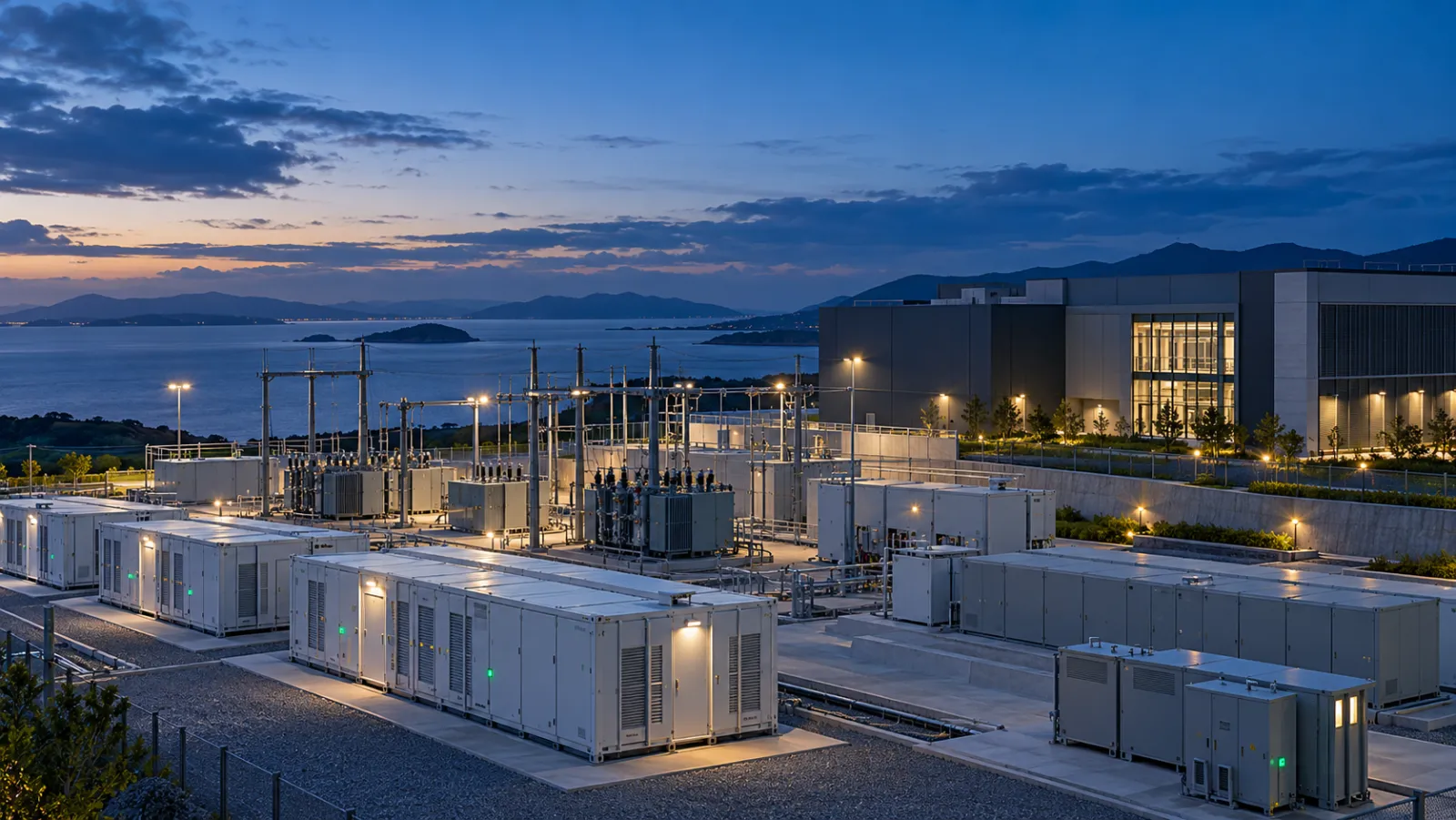
Coordinate compute around energy reality.
The platform treats AI workloads and physical energy systems as one operating domain — connecting market and infrastructure data with the scheduling decisions that shape AI capacity.
- 01
Observe
Power markets, grid signals, workload demand and asset state.
- 02
Forecast
Compute load, energy needs and resource availability.
- 03
Coordinate
GPU schedules, cooling, BESS and V2G resources.
- 04
Deliver
Reliable capacity for training, inference and edge workloads.
01 · Tellus Energy AI
Coordinating energy supply with AI compute demand.
Near-real-time price tracking
Analyzes wholesale electricity prices and market movements to support procurement and dispatch decisions.
Multi-dimensional load forecasting
Forecasts AIDC demand, infrastructure load and distributed-energy behavior across operating horizons.
Energy decision support
Recommends operating actions based on power prices, workload requirements and infrastructure status.
Grid coordination
Coordinates storage, charging and flexible loads in response to grid signals and ancillary-service opportunities.
Open agent platform
Supports task-specific energy agents through TPResearch and published APIs.
Connected operating layer
Brings the five capabilities together to support energy-aware AI infrastructure operations.
How to deploy it
- 01
Energy Intelligence Agent
Natural-language access to energy, compute and infrastructure information for faster operating decisions.
- 02
Private deployment
Dedicated deployment for AIDC operators, energy companies and organizations with specific data requirements.
- 03
EMS Smart Toolkit
Modular capabilities that integrate with existing data centers, storage and V2G systems.
- Target electricity-cost optimization vs. unoptimized operation
- 20–40%
- Target data-center PUE
- <1.2
- Target additional ancillary-service revenue
- Up to 40%
Company targets for early deployments — not historical results or guarantees. Actual performance depends on site design, workload, energy-market conditions and operating configuration.
02 · AI Compute
High-density compute for training, inference and token services.
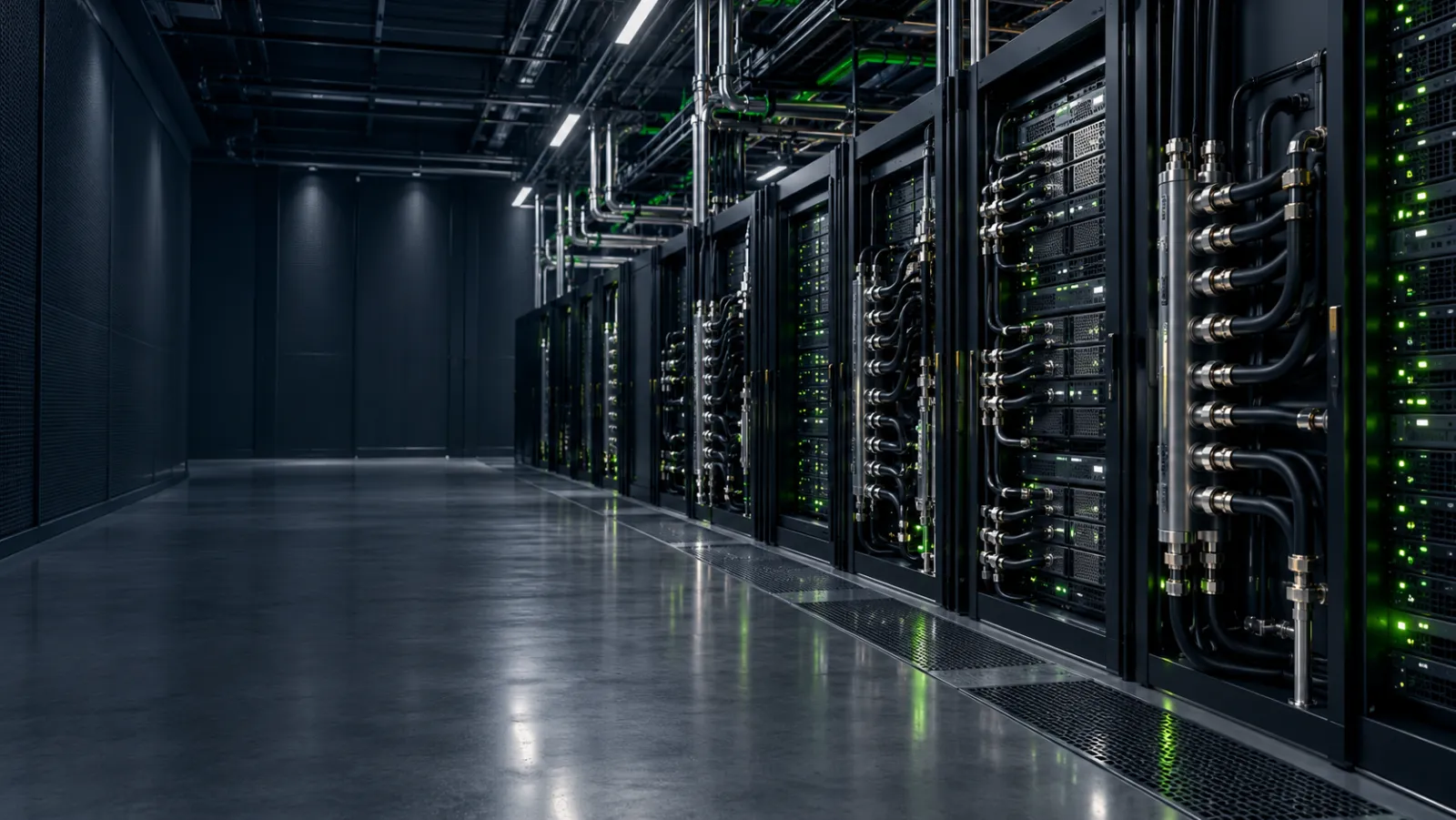
More than GPU capacity.
The operating layer is planned to combine scheduling, networking, storage, monitoring, liquid cooling and energy management — coordinated around workload requirements.
- Scheduling
- Networking
- Storage
- Monitoring
- Liquid cooling
- Energy management
Training infrastructure
Reserved or dedicated GPU capacity for pre-training, fine-tuning and demanding model workloads.
Inference & token services
Deploy customer or third-party models through standardized APIs with usage, throughput or token-based options.
Dedicated AI clusters
Single-customer environments for workload isolation, predictable performance and long-term capacity.
Engagement models — multiple paths to capacity.
Reserved capacity
Plan access for defined workload windows and anticipated demand.
Dedicated cluster
A single-customer environment for sustained workloads and predictable operations.
Inference API & token access
Connect production applications through standardized interfaces and usage-based pricing.
Private model deployment
Deploy customer-specific models in controlled infrastructure environments.
Hardware configurations, regional availability and delivery schedules remain subject to procurement, site readiness, regulatory approvals and customer agreements. NVIDIA is a trademark of NVIDIA Corporation; no official partnership is implied.
03 · AIDC Network
AI data centers where power and connectivity create an advantage.
Two regions. One operating model. Select a site.

Oakland, California
A planned edge AIDC extension built around an existing electric school-bus and V2G depot energy foundation.
- Role: edge AIDC
- Target: edge inference and low-latency workloads
- Existing V2G operating environment
- Energy-compute coordination validation
The operating public project is the V2G energy depot — not an active data center.
Dispatchable energy infrastructure for AIDC.
V2G, BESS, EMS and high-density compute in one operating environment, so AI data centers can respond to the grid, energy prices and workload demand.
V2G energy buffer
Aggregates bidirectional charging and fleet batteries as flexible resources without compromising vehicle operations.
BESS & microgrid
Supports load smoothing, backup power, time shifting and renewable-energy integration.
EMS & AI dispatch
Monitors electricity prices, AIDC load, storage state, charging schedules and equipment status.
800V & liquid cooling
Connects high-voltage power-electronics experience with liquid-cooled GPU infrastructure for dense compute.
A phased path to delivery.
- 01
Project setup
Equipment, facility and network planning
- 02
Agreements
Customer, permitting and power applications
- 03
Delivery
Building, CDC, GPU and network infrastructure
- 04
Commissioning
Installation, testing and acceptance
- 05
Operations
Trial operation before commercial delivery
Stages describe the current development concept and are not a delivery guarantee. Timing depends on engineering, procurement, permitting, customer agreements and site conditions.
Explore infrastructure partnershipsPlan the compute and energy foundation for your next AI workload.
Tell us about your model, workload, capacity, AIDC or energy-integration requirements. We'll route your inquiry to the right team.
Contact Sales- Tellus Energy AI deployment
- Training capacity
- Inference
- Dedicated clusters
- AIDC partnerships
- V2G / EMS integration
What happens next
- 01
Requirement
Share the model, workload or infrastructure need
- 02
Region
Identify delivery and data-residency priorities
- 03
Capacity
Estimate GPU, throughput and timing
- 04
Architecture
Align compute, energy and operating model
- 05
Next step
Define a technical and commercial path